Closing the Language Gap With Spanish MSHA Training for Better Mine Safety
Industrial Consulting & Training LLC provides safety and workforce training programs for mining, construction, and
Press Release Disclaimer: This is a press release distributed through the XPR Media network. It has not been independently verified by our newsroom.
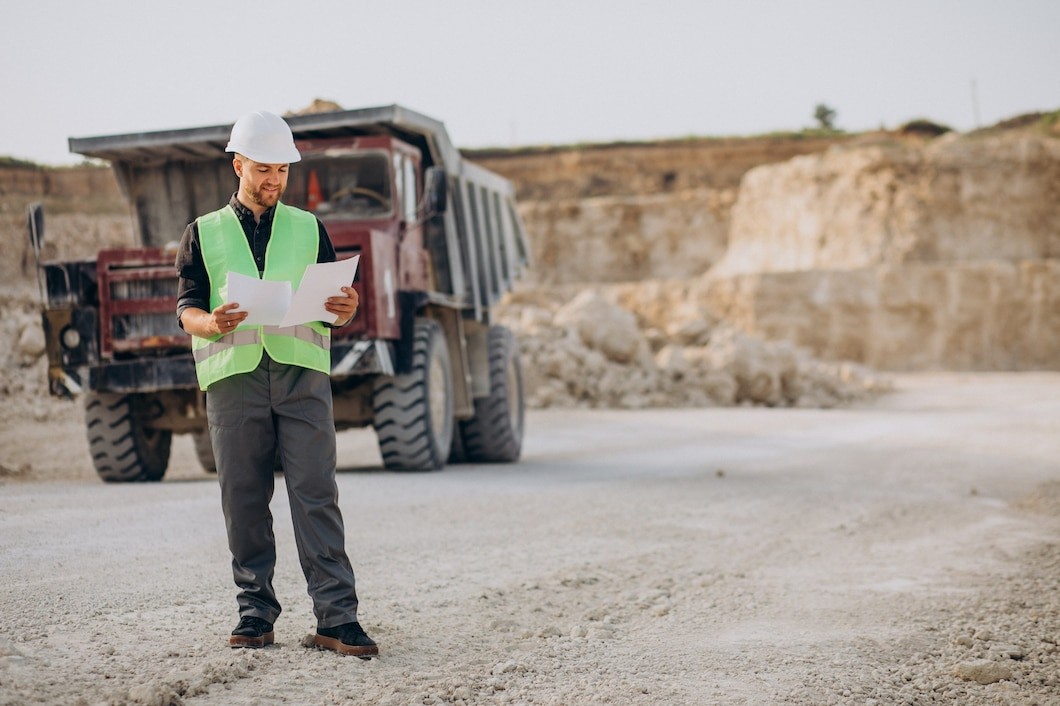

Industrial Consulting & Training LLC provides safety and workforce training programs for mining, construction, and industrial workers.
HIGHLAND, UT, UNITED STATES, October 5, 2026 /EINPresswire.com/ — Industrial Consulting & Training LLC is addressing the importance of language-accessible mine safety education as mining employers and workers continue to navigate federal training requirements in 2026. The organization provides MSHA-related training in English and Spanish, with online and in-person formats available to support workers in Houston and across California, Utah, Colorado, Illinois, Nevada, and Alabama.
Federal mine safety rules place emphasis on effective communication during required training. For operations covered by 30 CFR Part 46, MSHA states that training must be presented in a language understood by the miners receiving it. MSHA’s compliance guidance specifically explains that when a miner is not sufficiently fluent in English, the training must be provided in a language the miner understands.
The requirement reflects a basic safety principle: training can only be effective when workers can understand the information being presented and apply it to their work.
Language Understanding Is Part of Effective Safety Training
Mining safety training covers subjects that workers may need to understand and act on quickly. These can include hazard recognition, emergency procedures, equipment safety, health hazards, workplace controls, and site-specific risks.
For this reason, language access is more than a communication preference. It can affect whether a worker fully understands a safety instruction or knows how to respond to a hazard.
MSHA’s Part 46 compliance guidance states that the purpose of the language requirement is to ensure that miners who are not sufficiently fluent in English are effectively trained. The guidance also addresses the use of translators, stating that a translator does not have to be a competent person but should be able to translate the information accurately and completely and be familiar with the relevant subject and terminology.
This places attention on the quality of communication, not simply the presence of translated words.
Spanish Is an Important Training Language for the Mining Workforce
Spanish is one of the languages used by workers in the U.S. mining and industrial workforce. Providing training in Spanish can help address situations where workers understand safety information more effectively in Spanish than in English.
Spanish-language training can cover the same core safety subjects required by the applicable MSHA training program. Depending on the operation and the applicable regulation, these subjects may include workplace hazards, emergency response, personal protective equipment, equipment safety, health risks, and safe work procedures.
MSHA also provides Spanish-language safety resources for the mining industry. Its Educational Field and Small Mine Services program publishes Spanish-language toolbox talk materials that operators can use for workplace safety discussions.
The availability of these federal resources reflects the broader need for safety information that workers can understand and use.
Part 46 and Part 48 Requirements Remain Important
The applicable MSHA training regulation depends on the type of mining operation and the work being performed. MSHA identifies 30 CFR Part 46 and Part 48 as the primary training frameworks for covered mining operations.
Part 46 generally applies to aggregate operations and certain surface mines, including sand, gravel, surface stone, surface clay, and related operations. Part 48 applies to underground mining and surface mining of coal and certain metals. MSHA notes that Part 48 trainers must be approved by MSHA, while Part 46 trainers must be designated as competent persons by the mine operator.
Understanding which regulation applies is an important first step for employers developing a training plan. The language used to deliver that training is another important consideration.
Spanish Training Can Support New Miner Education
New miner training introduces workers to the basic safety knowledge they need before and during their entry into mining work.
For example, MSHA’s Part 46 guidance requires new miner training to address subjects such as the work environment, electrical and other hazards, emergency medical procedures, evacuation plans, fire warning signals, task-related health and safety requirements, and miners’ statutory rights.
When these topics are presented in a language the miner understands, the worker has a clearer opportunity to learn what the rules mean and how they apply to daily tasks.
The same principle applies to experienced miner training, new task training, annual refresher training, and site-specific hazard awareness training when those requirements apply.
Refresher Training Also Requires Clear Communication
Annual refresher training is designed to reinforce knowledge rather than simply repeat a certification process. MSHA states that federal law requires miners to receive basic and annual refresher training, while mine operators must maintain an effective training plan.
Refresher sessions can address changes in workplace conditions, safety procedures, hazards, equipment, and regulatory expectations. Clear communication is therefore important even for experienced workers.
A worker who has completed training in English in a previous year may still need information presented in a language they understand if English is not sufficient for effective instruction.
Online and In-Person Formats Address Different Training Needs
Training accessibility has also become an important consideration for employers with workers spread across different locations.
Online instruction can help workers participate without traveling to a training facility. In-person instruction, meanwhile, can provide direct classroom interaction and may be useful when a company needs a group to complete training at a specific location.
Both formats can play a role in workforce training, depending on the applicable MSHA requirements, training plan, subject matter, and employer needs.
For Spanish-speaking workers, the key consideration remains effective communication. The format alone does not determine whether training meets the needs of the workforce.
Employers Have a Role in Making Training Effective
Mine operators and contractors have responsibilities related to training plans, records, and ensuring required instruction is provided. MSHA’s guidance for Part 46 states that a competent person must be able to effectively communicate the training subject to miners and evaluate whether the training was effective.
This means employers should consider more than simply scheduling a training session. They also need to consider whether workers can understand the material and whether the instruction addresses the hazards connected to their work.
Training records are another part of the process. MSHA states that miners’ training must be recorded on MSHA Form 5000-23 or an approved alternate, and that a copy must be provided to the miner upon completion or request.
Supporting Safety Across Major Mining Regions
The need for accessible safety education applies across mining and aggregate operations in many parts of the country. Houston and other areas of Texas have significant industrial activity, while California, Utah, Colorado, Illinois, Nevada, and Alabama also include mining and related operations subject to federal safety requirements.
Providing training in Spanish can help employers address language needs within their workforce while reinforcing the importance of hazard awareness and regulatory compliance.
As workforce demographics and training delivery methods continue to evolve, language accessibility remains an important part of effective safety education.
Looking Ahead to 2026
The focus on Spanish-language MSHA training in 2026 reflects a broader need for mine safety education that workers can understand and apply. Federal guidance already establishes the importance of presenting Part 46 training in a language understood by the miners receiving it.
For mining employers, the issue is therefore not simply whether training has been scheduled. It is whether the required information has been communicated effectively to the people expected to use it.
Spanish-language instruction can provide one way to address that need for workers who understand Spanish more effectively than English. Combined with appropriate training plans, qualified instruction, accurate records, and site-specific safety information, language-accessible education can support the broader objective of keeping miners informed about workplace hazards and safe operating practices.
About Industrial Consulting & Training LLC
Industrial Consulting & Training LLC provides safety and workforce training programs for mining, construction, and industrial workers. Its training offerings include MSHA-related programs delivered through online and in-person formats, with Spanish-language options available for applicable training needs. The organization serves workers and employers in Houston, California, Utah, Colorado, Illinois, Nevada, Alabama, and other U.S. locations.
Industrial Consulting & Training LLC
Industrial Consulting & Training LLC
+1 385-446-6577
info@mytrainingcerts.com
Visit us on social media:
Instagram
Facebook
Legal Disclaimer:
EIN Presswire provides this news content “as is” without warranty of any kind. We do not accept any responsibility or liability
for the accuracy, content, images, videos, licenses, completeness, legality, or reliability of the information contained in this
article. If you have any complaints or copyright issues related to this article, kindly contact the author above.

Media gallery